Lately I’ve found myself revisiting Charles Handy’s thought-provoking books Understanding Organizations and Understanding Voluntary Organizations.[i]. The world that voluntary organisations (indeed all organisations) operate in has changed massively since he was writing about it in the late 1980s. But the fundamentals of Handy’s wisdom still hold true: organisations are people. To get the best out of an organisation, you need to know how to get the best out of people.
Some years ago, I was on a team facilitating a CPD event for a corporate client, on behalf of a business school. The corporate client’s culture placed a lot of value on material rewards to motivate their workforce. Pay levels, smart company cars, team events in prestigious settings – for the attendees these were seen as key things that an organisation can offer in order to get the best out of the teams they managed. To broaden the delegates’ perspectives, they were sent out on exploration visits to a range of workplaces very different to their own, including some not-for-profit organisations.
The reaction of delegates returning from these not-for-profits was startling. They said they had expected to find gloomy, demotivated workforces with low standards of performance. On the contrary, they found – amongst both staff and volunteers – levels of commitment, energy and ingenuity that they really struggled to generate in their company. They came back with the question ‘why are the people we employ not this motivated – when we pay them so much?’ The answer was complex but made the point that it’s not all about the money. A sense of purpose, relationships with managers, the design of job roles and many other things are at least as important.
When it comes to a volunteer workforce, knowing how to act on the non-monetary factors is of course vital – pay deals just aren’t an option.
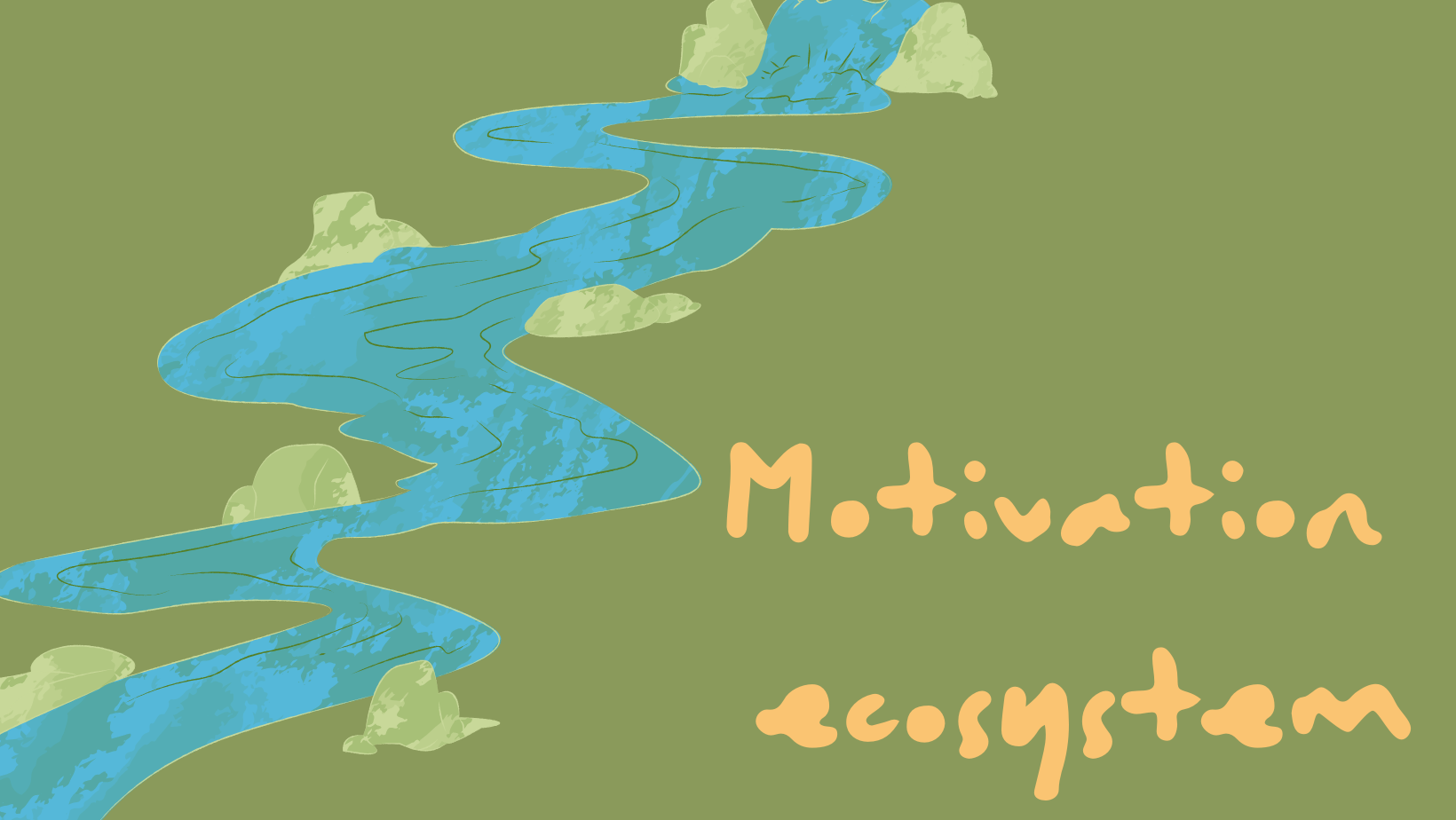
Sometimes people describe the elements of motivation in an organisation as being like a machine – with levers. To me, the metaphor of an ecology feels more fitting. It’s a delicate balance of factors to keep in play. Manipulating one element can have impact on the way another one performs. Changing things to improve motivation for one individual can potentially demotivate somebody else. And of course the elements in play are different in the world of non-profits, compared to traditional business.
So, how can you get motivation right in your organisation? Some things I believe are key:
- Take a whole-system approach. It’s about coordinating a whole range of factors that come together. Tweaking one bit at a time can have negative impacts in unexpected places.
- Connect back to overall purpose. Motivation is about to incentivising people to take the desired action.What does desirable look like in your context, in relation to your organisation’s mission?
- Be thoughtful in learning from others’ experiences. Yes, there’s lots to learn from – but good practice in one context might not transfer to another.
- Allow enough resource. Getting it right takes time, thought and effort.
- Remember, there is no one-size-fits all. As Handy wrote: ‘Different people want different things out of their life and their work, even different things at different times or different things in different contexts.’
- Take courage that, if you’re working in a non-profit, you’re ahead of the game. A sense of purpose, of making positive change in the world, is a motivational asset that many corporates envy.
Looking for support with staff or volunteer motivation? I can help. Contact me to find out more.
[i] Not a typo – my UK edition copies have a z!